
From survey to the first cost statement
Metering projects go wrong in predictable places: a meter commissioned without recording its opening index, a quote where nobody can tell which line covers what, a first period closed before anyone looked at the unreadable meters. The sequence below exists to put a named step in front of each of those.
- 01
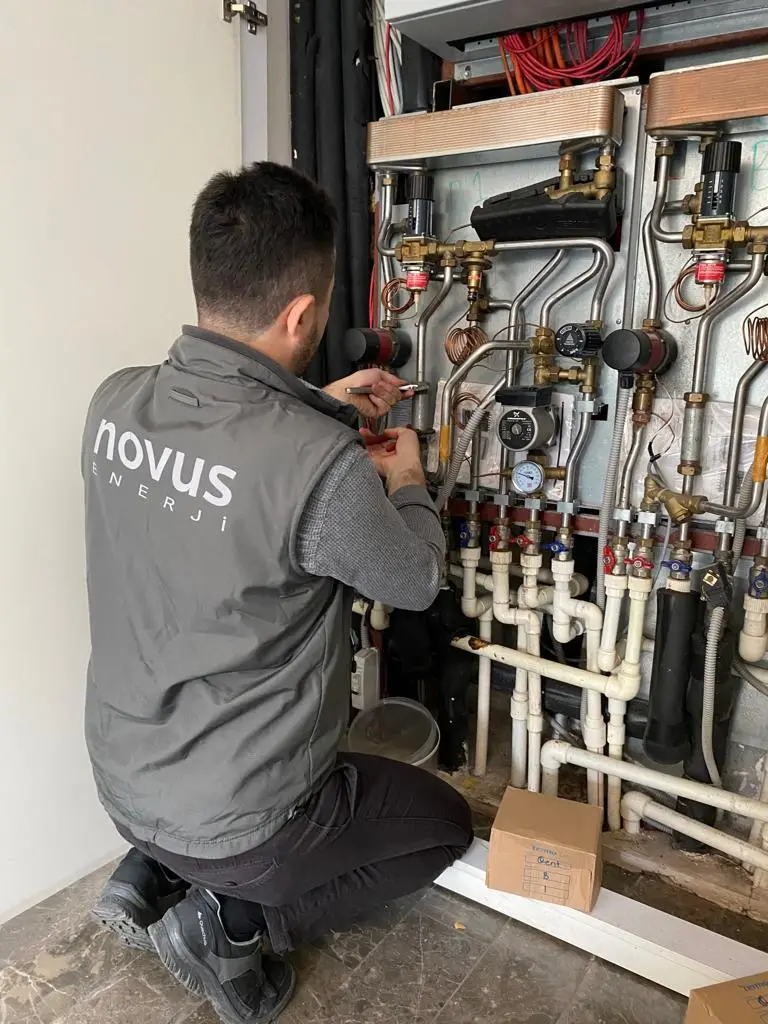
Site survey
We walk the building: existing meters, riser structure, cable routes, plant room. What comes out of this is not a price but a decision — which reading method fits, and which meters actually need replacing.
- 02
Written quote
Line items are separate and each says what it covers. Equipment, installation, commissioning and the per-period reading fee are never bundled into one figure, because a bundled figure cannot be checked.
- 03
Decision
Nothing starts before the building management decides. Where a general assembly resolution is needed, we provide the technical description for it.
- 04
Installation
Work goes riser by riser while the building stays occupied. Interruption is limited to the units on the riser being worked on.
- 05
Commissioning
Every meter is queried individually. Serial number and opening index are recorded against the unit — this is the step that decides whether the first period will be disputed.
- 06
First period
The first reading cycle runs with the control list open: unreadable meters, negative differences, indexes that never move. Problems are cheapest to fix in the first period.
- 07
Cost allocation and documents
Individual cost statements per unit, plus the notice list for the board. The formula is printed on the document, so the answer to “where did this figure come from” is on the paper.
Frequently asked
How long does it take from survey to first invoice?
For a typical building of a few hundred units, installation runs in weeks rather than months — work is planned riser by riser. The first cost allocation period closes at the end of the first full reading cycle after commissioning.
Is the survey chargeable?
No. We visit the building, inspect the installation and give a written summary of which method fits and which meters need replacing.
Do we need a general assembly resolution?
For works affecting common property, usually yes. We provide the technical description so the resolution says what is actually being done.
Let’s start with a survey
Tell us the number of units and the existing system; we will come and look.